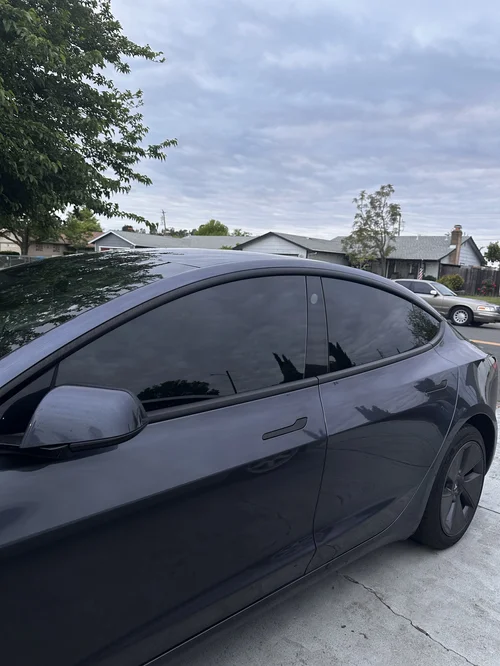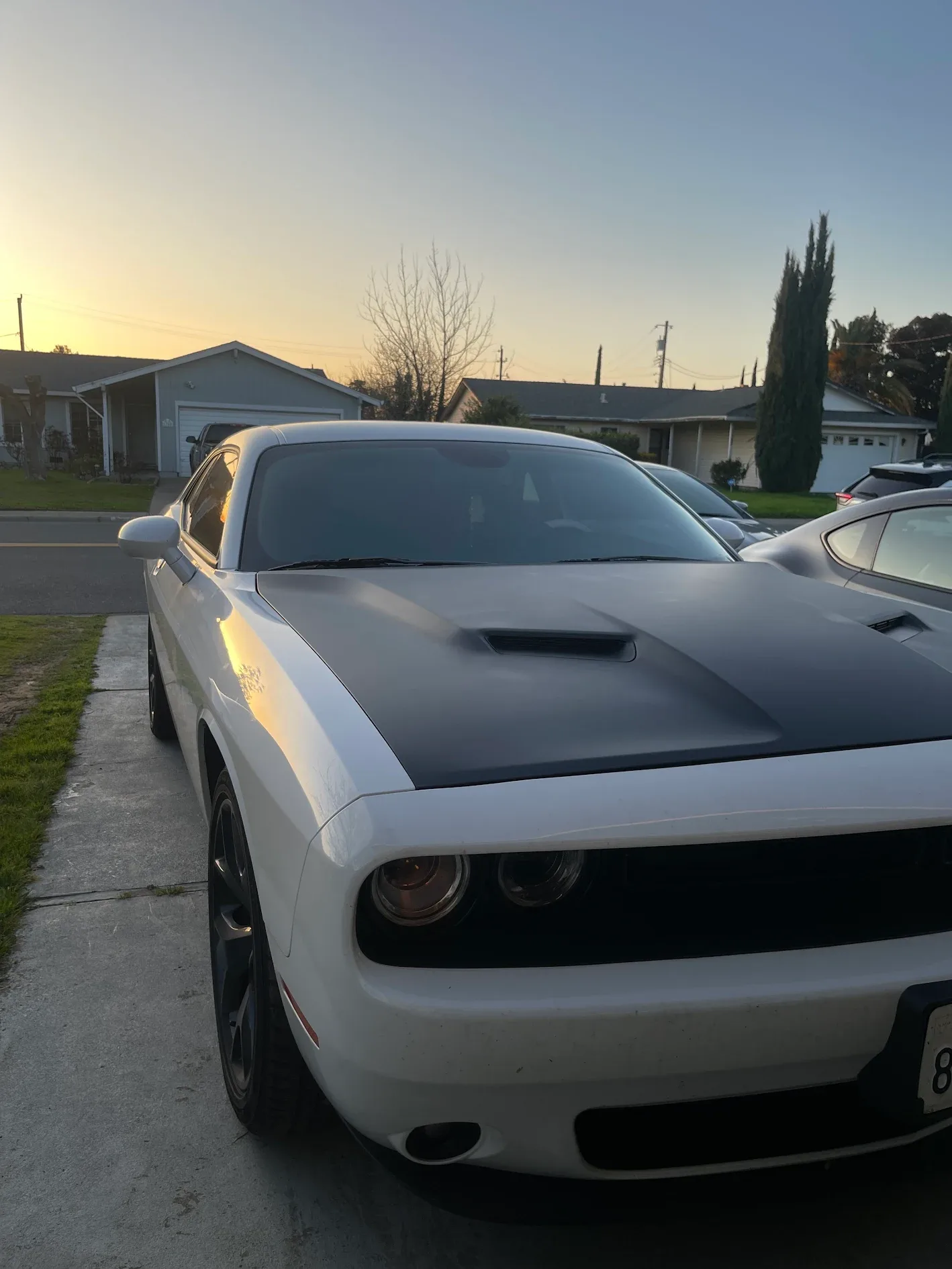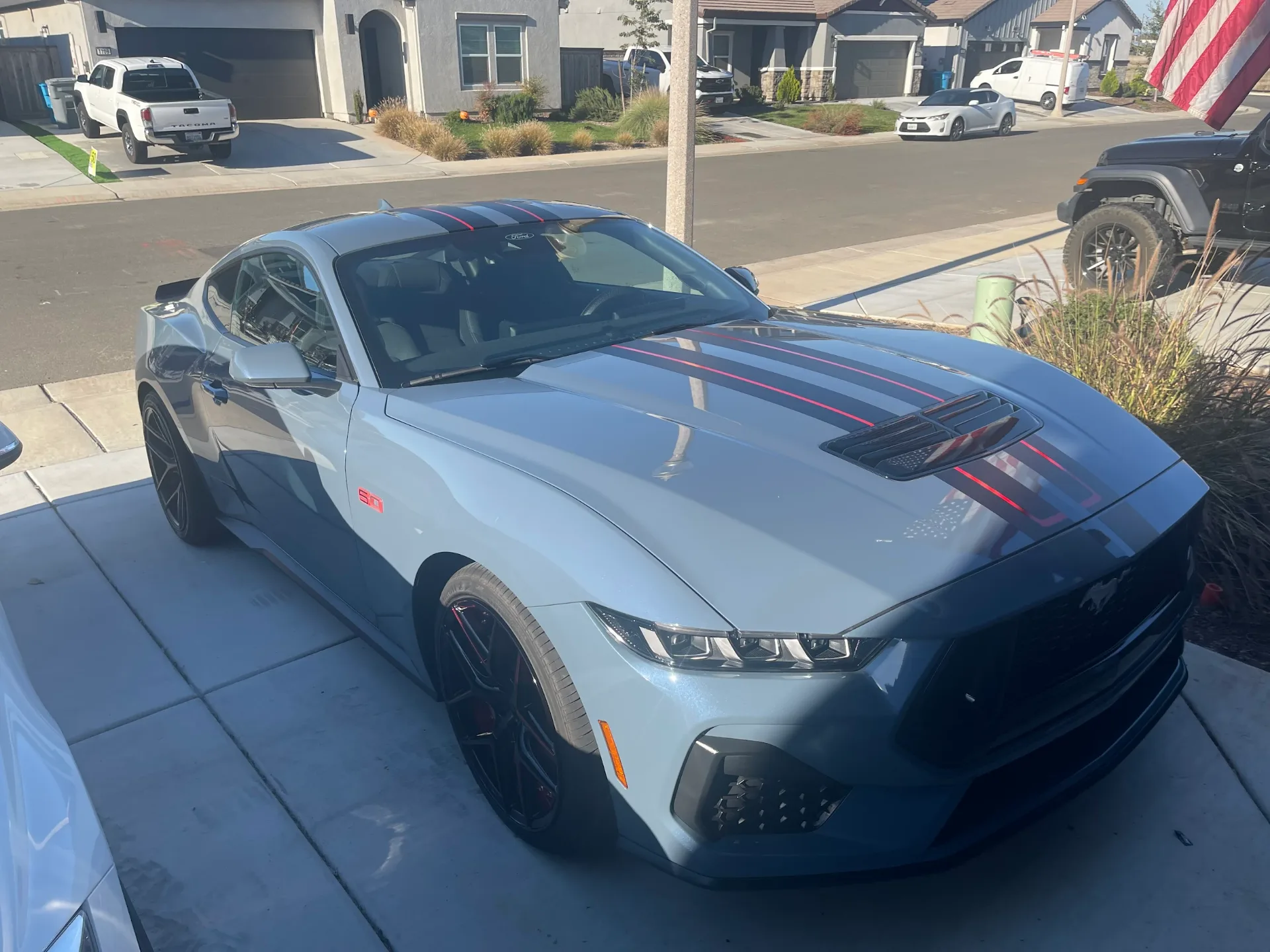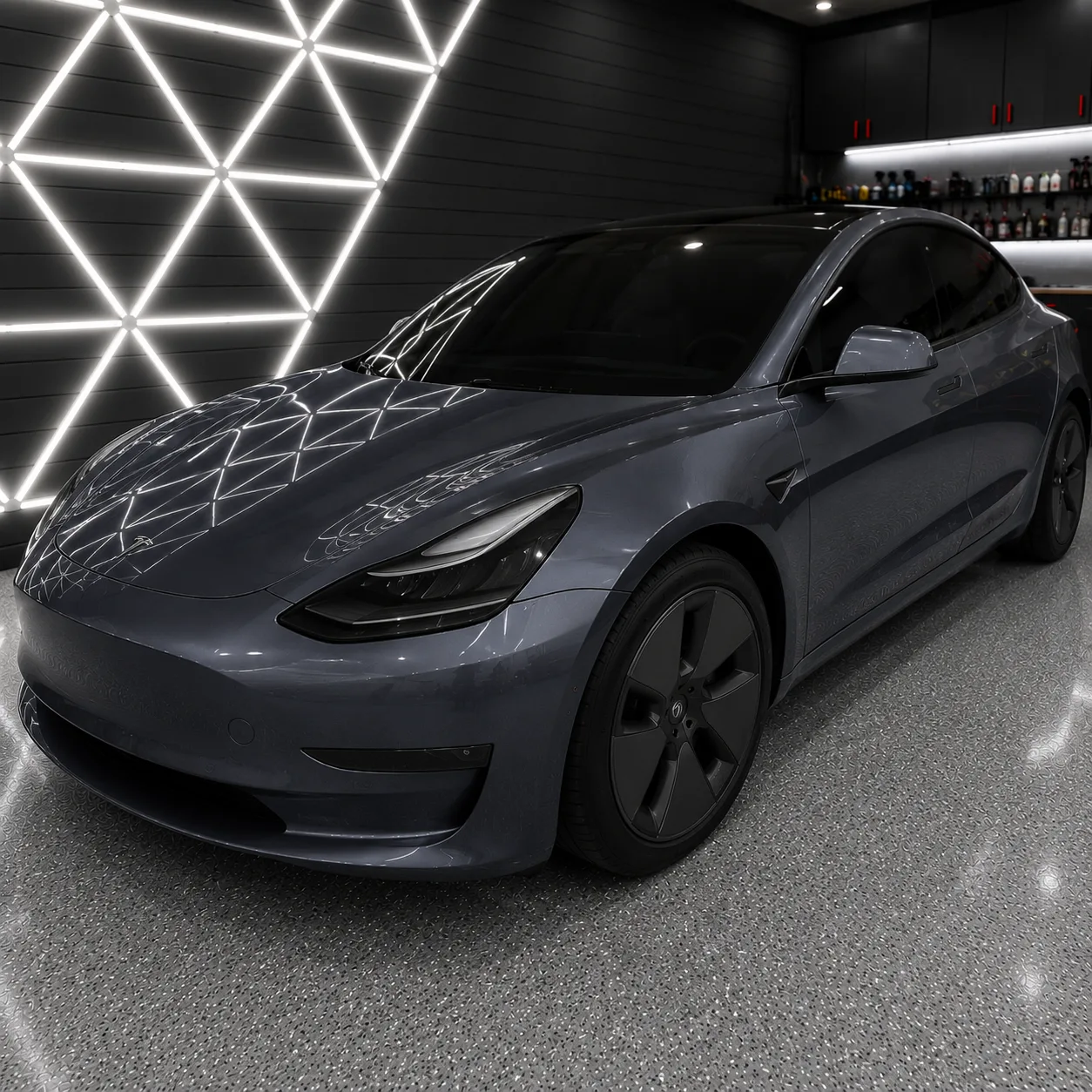
Both films block 99% of UV. The argument is heat, and the gap is $80 on a full vehicle. Here is what each film does, what we can actually back up, and when the cheaper one is the smarter buy.
Carbon and ceramic are both non-metallic films. Neither one puts a metal layer in your window, so neither one interferes with phone reception, GPS, keyless entry or a toll transponder. Both block 99% of ultraviolet light — the part of sunlight that fades a dashboard, cooks a leather seat and ages the skin on your left arm. On those two points the films are equal, and no amount of salesmanship changes it.
What separates them is infrared. Infrared is the heat you feel radiating through the glass when you are stopped at a light in August. Ceramic film rejects up to 88% of it. That is the whole reason a ceramic car is less brutal to get into after four hours in an open parking lot, and why the air conditioning has less to fight on the way home.
We do not publish an infrared figure for our carbon film. Infrared rejection moves with the shade and the film, and we have not verified a number we are willing to put in print — so the box in the table below is empty on purpose. Carbon rejects less heat than ceramic; that is exactly why it costs less. But you will not get a percentage out of us that we cannot stand behind. Ask when you book and we will tell you what the manufacturer states for the shade you are choosing.
Two of these rows are the reason people pay more. The rest are identical, and we would rather you knew that before you spent the money.
Two of those cells need explaining. The carbon infrared cell is blank because we have not verified a figure for it, not because the film does nothing — it simply rejects less heat than ceramic, which is what the price difference reflects. And the warranty row says what it says because coverage is set by the film manufacturer and the shade you pick. We put the exact terms in front of you in writing before we cut anything, instead of advertising a headline number that may not apply to your car.
Notice what is not on the list: the two films do not look different from the sidewalk, they do not install differently, and neither will cost you a bar of signal. Anyone telling you the premium film looks better is selling you something. It feels different, on a hot day, from the driver's seat.
Ceramic is the better film. That does not automatically make it the better purchase for your car. Four cases where we will tell you to keep the $80 in your pocket:
Garage at home, covered parking at work. Heat soak is a function of hours in direct sun, and if the car barely gets any, you are paying for a benefit you will not collect.
If what you actually want is a darker cabin, less glare and gear out of sight in the back, shade does that work — not infrared rejection. Carbon at $300 gets you there.
Across Yuba City and back is not long enough for a cabin to punish you. Ceramic pays off on long, exposed drives and long parked afternoons.
Sometimes the smarter move is carbon on the glass and the difference put toward a chrome delete or a hood. Partial wraps start at $220 →
The $80 is paid once. The heat comes back every summer for as long as you own the car. That is the entire calculation, and for most drivers in the Sacramento Valley it lands on ceramic.
Choosing between carbon and ceramic has nothing to do with staying legal. California regulates how much light passes through each window, so the rules land the same way on both films — the front side windows are the restricted ones, and that is true whether you spend $300 or $380. Pick the film for how the car is used, then pick the shade inside the limits. We go through both with you before anything is cut.
If the car parks outside, yes. Ceramic rejects up to 88% of infrared heat, and that is the part of sunlight you feel through the glass. If the car lives in a garage, or you are mainly after privacy and glare control, carbon does that job for $300 and the extra $80 buys you very little.
We do not publish one. Infrared rejection varies by shade and by film, and we have not verified a figure we are willing to print, so we leave it blank rather than guess. Ask us when you book and we will tell you what the manufacturer states for the exact shade you pick.
Neither one does. Signal problems come from older metalized films, which put a thin metal layer in the window. Carbon and ceramic films are non-metallic, so phone reception, GPS, keyless entry and toll transponders work the same as they did before.
The film type is not what the law regulates. California regulates how much light gets through each window, so the same rules apply to carbon and ceramic alike. The front side windows are the restricted ones. We go through the limits with you before we cut anything.
A full vehicle takes three to four hours either way. Carbon and ceramic are cut and applied the same, so choosing the premium film does not add time to the appointment.
Ask us. It is a fair question for a car where the windshield strip and the front doors take most of the sun, and we will quote it honestly rather than push the whole car up a tier. Call (530) 719-4041 with your year, make and model.

Where the car parks, who rides in it, how long you are keeping it. That is enough for us to point you at carbon or ceramic honestly — and quote your exact vehicle, no obligation.